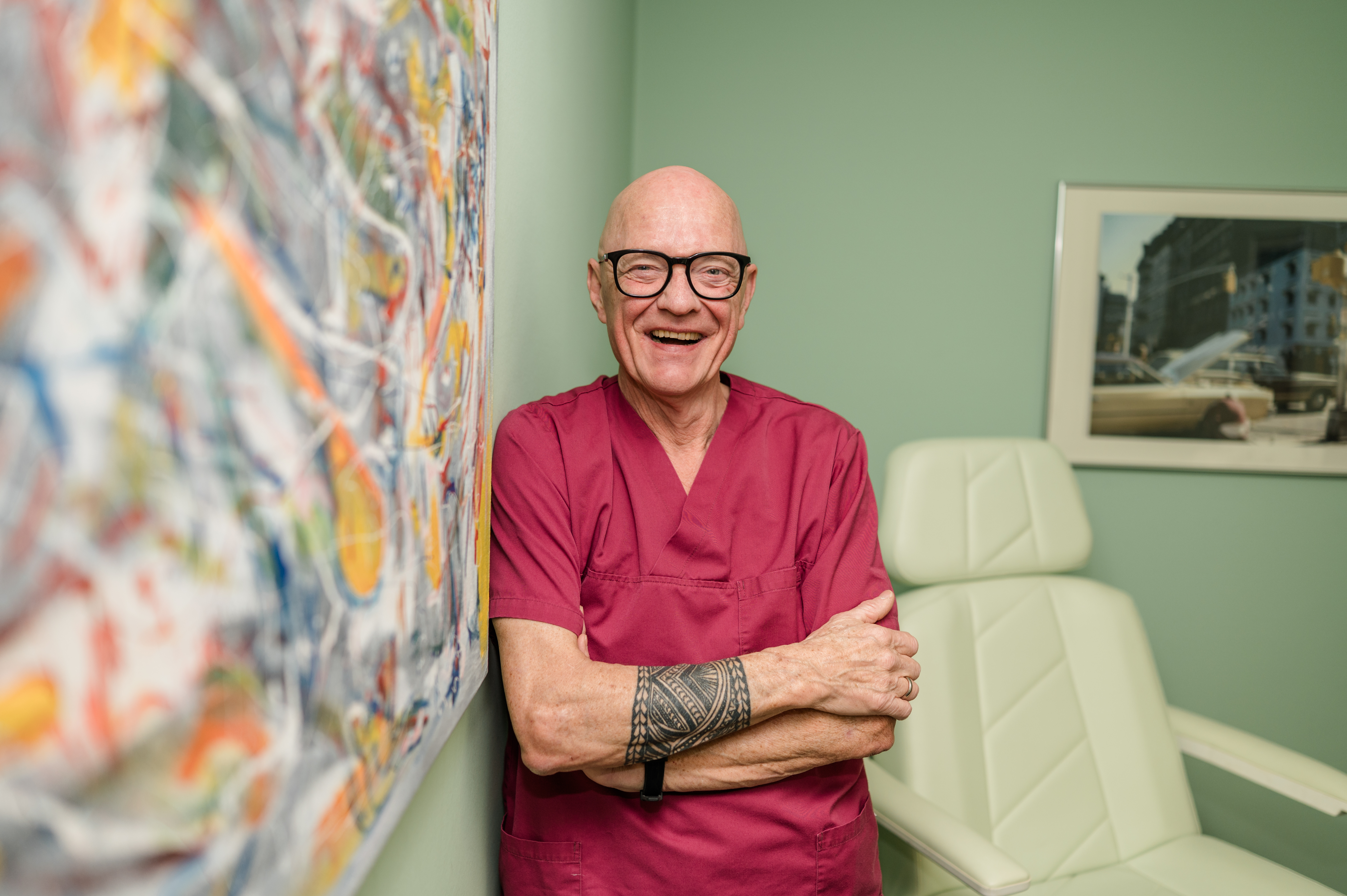
Prof. Dr. Markus Stücker on Varicose Vein Treatment
Venous Diseases & Modern Therapy Approaches
Prof. Dr. Markus Stücker from the Vein Center of the Dermatological and Vascular Surgery Clinics at Ruhr University Bochum explains in an interview how varicose veins develop, what therapy options are available, and why minimally invasive procedures like laser therapy are increasingly used.
How is the Vein Center structured and what are its focal points?
The Vein Center treats the entire spectrum of venous diseases – from cosmetically relevant spider veins to classic varicose veins to severe conditions such as chronic open legs (venous leg ulcers) or deep vein thromboses. A particular focus is on the diagnosis and minimally invasive treatment of varicose veins.
How do varicose veins develop?
For healthy venous circulation, functioning venous valves, elastic vein walls, and movement of the leg muscles are crucial. Damage to valves or vein walls can lead to blood flowing back in the wrong direction, resulting in blood pooling, vein dilation, and ultimately spider veins or varicose veins. Risk factors include family predisposition, pregnancies, overweight, prolonged standing or sitting, and older age.
What does outpatient phlebological care mean?
The majority of patients are treated on an outpatient basis – including diagnostics and non-surgical therapies such as medication treatment, compression, or sclerotherapy. Surgical interventions, if necessary, are also usually performed on an outpatient basis and without general anesthesia.
What advantages does the minimally invasive laser therapy ELVeS® Radial® offer?
According to guidelines, endovenous laser therapy is the preferred treatment for saphenous vein varicose veins. It is gentle, effective, and can be performed on an outpatient basis. Due to the minimally invasive technique, patients generally recover quickly, with a lower risk of bruising and wound healing compared to open surgeries.
Do health insurances cover the treatment costs?
Prof. Stücker explains that medically necessary laser treatments and other indication-appropriate procedures are generally covered by statutory health insurance. Aid and private insurers also cover the costs within the scope of medical indication.
Video von YouTube ansehen
Um dieses Video anzusehen, müssen Sie der Einbindung von Inhalten von YouTube zustimmen. Dabei werden Daten an YouTube übertragen.
Articles about this topic