Laser Therapy for Venous Diseases – Dr. Wissmueller
High Precision & Effectiveness of Modern Laser Therapy
Dr. Wissmueller, a specialist in phlebology and vascular medicine, discusses in an interview the use of modern laser therapy for venous diseases, its advantages, and the importance of precise treatment methods.
How would you describe the role of modern laser therapy in phlebology?
Dr. Wissmueller describes that modern laser therapy procedures – such as endovenous laser treatment – are among the established minimally invasive methods in varicose vein treatment due to their high precision, good tolerability, and reliable effectiveness.
What advantages do you see in laser therapy compared to traditional procedures?
Laser therapy can specifically and controllably treat venous trunks or branches. Compared to open surgeries, it offers less strain for patients, fewer postoperative complaints, and often a quicker return to daily life.
How do patients experience the treatment?
Dr. Wissmueller explains that many patients perceive laser therapy as overall gentle. With local anesthesia and outpatient performance, pain is usually well controllable. Swelling and bruising often occur only to a minor extent.
What is the significance of the precision of laser therapy?
For Dr. Wissmueller, the pinpoint application of laser energy is particularly important: It minimizes thermal stress on adjacent structures, thereby increasing the safety of the procedure. Precise energy delivery leads to predictable therapy outcomes.
For which patient groups is laser therapy suitable?
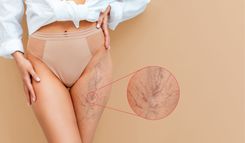
According to Dr. Wissmueller, modern laser therapy is suitable for patients with clinically relevant varicose veins, venous valve insufficiencies, or extensive branches. In many cases, it can represent a lower-risk alternative to conventional surgeries.
Articles about this topic