Prevent Varicose Veins
Varicose veins are not only a cosmetic issue but can also lead to pain and health problems. Prevention through a healthy lifestyle and targeted measures is key to avoiding them.
- Exercise: Be regularly active to promote circulation.
- Weight: Maintaining a healthy weight reduces pressure on the veins.
- Leg position: Avoid long periods of standing or sitting and elevate legs often.
- Compression stockings: Support blood flow in the legs.
- Diet: Consume plenty of vitamin C, E, and flavonoids.
- Drink water: Helps keep the blood fluid.
- Reduce risks: Limit alcohol and smoking.
The Importance of Preventing Varicose Veins
Varicose veins are not only an aesthetic problem but can also lead to discomfort such as pain, heaviness, and even serious health issues. Therefore, it is important to take measures to prevent their development. In this article, you will learn what varicose veins are, how they develop, and most importantly, how you can avoid varicose veins.
What are Varicose Veins?
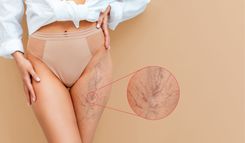
Varicose veins (varices) are enlarged, twisted veins that usually occur in the legs. They arise when the vein valves, which support blood flow towards the heart, no longer function properly. This leads to blood pooling in the veins, causing them to enlarge and deform. Varicose veins can range from mild cosmetic inconveniences to severe discomfort.
How Do Varicose Veins Develop?
The development of varicose veins can be facilitated by various factors, including genetic predisposition, age, gender, overweight, prolonged standing or sitting, and pregnancy. The weakening of the vein walls and valves makes it harder for blood to flow back to the heart from the legs, ultimately leading to the formation of varicose veins.
Prevention of Varicose Veins: Lifestyle and Habits
To avoid varicose veins, it is important to maintain a healthy lifestyle. The following measures can help:
Exercise: Regular physical activity, such as walking, cycling, or swimming, promotes circulation and strengthens the veins.
Weight control: Excess weight puts additional strain on the veins. A balanced diet and regular exercise are essential to maintaining a healthy weight.
Leg positioning: Avoid prolonged standing or sitting. If this is not possible, try to change positions regularly and elevate your legs occasionally.
Compression stockings: They can help improve blood flow in the legs and reduce the risk of vein enlargement.
Proper Nutrition to Avoid Varicose Veins
Nutrition plays an important role in the prevention of varicose veins. Foods rich in vitamin C, vitamin E, and flavonoids can help strengthen vein walls. Adequate fluid intake is also important to keep the blood fluid and minimize venous pressure.
Minimize Risk Factors
To prevent varicose veins, it is also important to minimize risk factors. This includes reducing alcohol and tobacco consumption, as these substances can damage blood vessels and promote the development of varicose veins. During long journeys or with known genetic predisposition, ensure sufficient movement and, if necessary, wear compression stockings.
Conclusion: An Active Step Against Varicose Veins
Avoiding varicose veins often requires a combination of lifestyle changes, attention to risk factors, and possibly the application of preventive measures such as compression stockings. By integrating regular exercise, a balanced diet, and awareness of your own risk factors, you can actively contribute to the health of your legs and minimize the risk of developing varicose veins. Start today to benefit from healthy and beautiful legs in the long term.
By following these tips, you can not only avoid varicose veins but also improve your overall well-being and lead a more active, healthier life. Remember to seek medical advice at the first signs of varicose veins or existing risk factors to discuss individual prevention strategies.
Articles about this topic