In the Interview Dr. Nomita Harter, MD
Dr. Nomita Harter particularly advises certain patient groups to undergo minimally invasive laser therapy
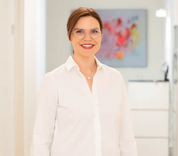
Dr. Nomita Harter has been strengthening the team at the Praxisklinik Titisee-Neustadt since the beginning of 2025 and expanding the practice's treatment spectrum with the ELVeS® laser therapy in the field of phlebology.
Dr. Harter, you started your work at the Praxisklinik Titisee-Neustadt in January 2025 and were previously a senior physician at Ortenau Klinikum. What is your main area of treatment?
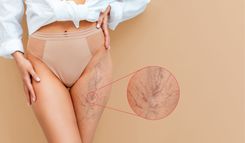
I am a specialist in vascular surgery, and at the Praxisklinik, my main area of treatment includes phlebology. This involves the diagnosis and treatment of venous diseases, including varicose veins, spider veins, and other venous conditions such as thrombosis. Diseases of the arterial system and lymphatic pathways are also key areas of treatment.
Our goal is to promote vein health, alleviate symptoms, and prevent complications.
You treat venous diseases with minimally invasive laser therapy, among other methods. Where do you see the advantages of this therapy?
A major advantage of endovenous laser therapy is the quick recovery time for patients. Most patients can resume their usual activities shortly after the treatment. Additionally, the cosmetic results are generally very satisfactory, as no large incisions are necessary, leaving hardly any visible scars.
Many patients also report less pain during and after the procedure compared to traditional surgeries. The risk of complications such as infections or bleeding is lower than with open surgical procedures.
Are there patient groups or findings for which you particularly recommend minimally invasive therapies and why?
Absolutely! For example, there are patients with contraindications for surgical procedures, such as health issues or other factors like the continuous use of blood thinners. Here, surgery can be performed gently even under local anesthesia. The blood thinning does not need to be paused.
Patients prone to wound healing disorders, such as those with obesity or diabetes mellitus, also significantly benefit from a minimally invasive procedure, as no large incisions are necessary.
What other treatment options for venous diseases do you offer?
In addition to endovenous procedures, we also offer the “classic” surgery, known as vein stripping. This involves surgically removing the affected vein, which can be effective, especially with a large vein diameter.
To close cosmetically disturbing spider veins, smaller varicose veins, and enlarged bridging veins, known as perforating veins, we also use foam sclerotherapy. The foam destroys the vein and ideally closes it permanently. When foam sclerotherapy is used as a sole therapy, neither anesthesia nor local anesthesia is necessary.
If a patient decides on minimally invasive laser treatment, can the treatment be performed directly at your Praxisklinik, and how long does it take?
The surgery is performed in our practice. Initially, a thorough medical history and examination are conducted. Then, the therapy options are discussed together. As with any surgical procedure, a detailed explanation of the surgical procedure is provided in advance. Many health insurance companies cover the costs of minimally invasive therapy. This also needs to be clarified beforehand. Then an appointment for the surgery is scheduled.
The surgery itself takes about 45 minutes on average. However, this also depends on the severity of the varicose veins. After the surgery, the patient can recover in our practice's recovery room and then leave the clinic. On the following day, we usually conduct the first follow-up examination.
How long are the usual downtimes, and what does the aftercare look like?
The downtime after endovenous laser therapy (EVLT) is generally relatively short. Many patients can resume their normal activities on the same day, although it is recommended to avoid strenuous physical activities and prolonged standing or sitting for a few days. Light physical activity, such as walking, is beneficial for healing, and we encourage patients to do so.
In the aftercare, we recommend wearing compression stockings for a few days to support blood circulation and reduce swelling. In the first weeks after the operation, hot baths, saunas, or intense sunbathing should be avoided.
On the first day after the operation, a check of the surgical result is also carried out using ultrasound. After 10 days, a follow-up appointment can be scheduled.
Articles about this topic