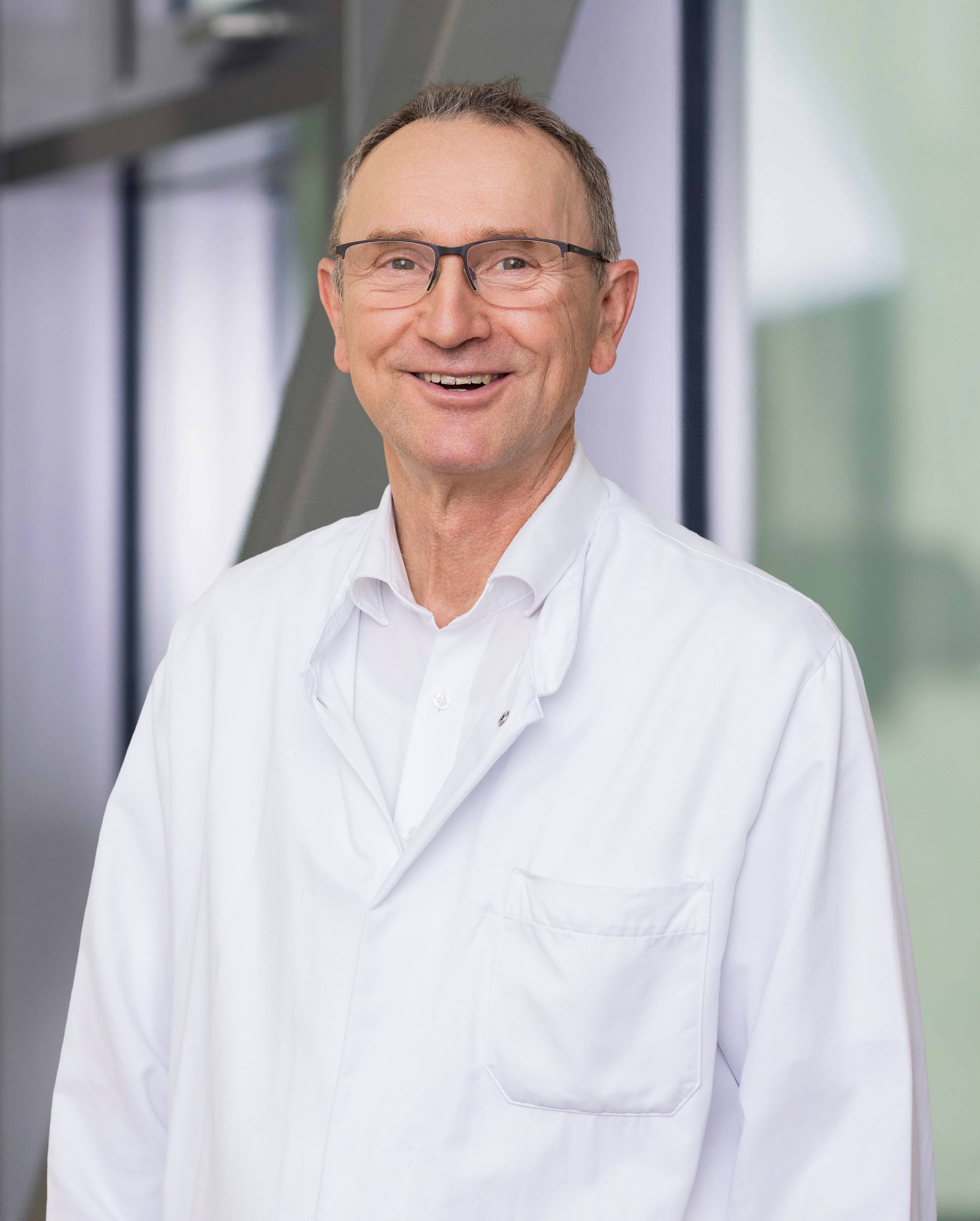
Interview with Dr. Erik Allemeyer
Minor procedure with major impact – Dr. Allemeyer offers the low-pain LHP laser therapy
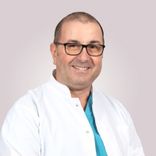
Dr. Erik Allemeyer has been the chief physician of proctology, continence, and pelvic floor surgery at Franziskus Hospital Harderberg in the Niels Stensen Clinics since 2019. In the same year, he interned with a colleague in Borken on laser methods in proctology. In the meantime, Dr. Allemeyer himself offers LHP laser therapy for hemorrhoidal conditions.
Dr. Allemeyer, a question that many patients have surely asked you: How did you come to choose proctology?
The fascinating aspect of coloproctology and pelvic floor surgery is that the correct diagnosis and choice of therapy are often particularly challenging, and careful and targeted treatment can often alleviate or cure years of suffering.
What experiences have you had with how patients deal with proctological diseases?
In our experience, successful work in coloproctology is only possible if a trusting doctor-patient relationship can be established. We use various measures for this, such as a thorough medical history with sufficient time, a careful and targeted examination limited to the necessary, and extensive consultation on the appropriate therapy choice. The examining specialists are all very experienced and personally trained by me.
For us, it is self-evident that visiting a proctologist and thus presenting complaints as well as the examination of the rectum are particularly associated with shame. We meet the patient at this point and gently support them in their contribution to solving the problem.
We treat patients of all age groups. Our main experience is that a sensitive approach by the doctor is a great benefit for patients of all ages.
“Hemorrhoids” – the word scares many, yet the term does not describe the disease. What is meant by the word, what is the function of hemorrhoids, and how are they distinguished from hemorrhoidal disease?
In the consultation, after carefully taking the medical history with particular attention to the specific complaints of each patient and a cautious examination, I then explain very precisely and with the help of images on the screen the anatomy. I also explain that hemorrhoids are fundamentally part of the normal anatomy at the transition from the rectum to the anal canal. This initially surprises many patients because the term “hemorrhoids” is colloquially equated with a disease of the rectum. The hemorrhoidal cushions are essentially blood sponges in the upper part of the anal canal, which can flexibly fill with blood and contribute to continence. Only when the hemorrhoidal cushions are enlarged and cause symptoms such as bleeding, protrusion, and itching or burning at the anus, is it referred to as hemorrhoidal disease, and only this requires treatment. The choice of an appropriate treatment method is made individually and depends on the severity of the hemorrhoidal disease, the specific circumstances, and the wishes of each individual patient.
What treatment methods are available to the patient for each degree of disease?
Our fundamental aim is to use the most gentle and mild treatment methods possible for every disease of the rectum and pelvic floor. I find it remarkable that a good result can often be achieved with so-called conservative therapy, thus avoiding surgery. These gentle methods for hemorrhoidal enlargements of Grade I and Grade II include hemorrhoid sclerotherapy, e.g., sclerotherapy with injections into or just above the enlarged hemorrhoidal cushions, or the so-called rubber band ligation, which essentially involves cutting off the blood supply at the mucosal level just above the hemorrhoids with small rubber rings placed on the mucosa. Only if these measures do not work or are not desired by the patient from the outset do we offer surgical measures. For hemorrhoids of Grade II and Grade III, laser hemorrhoidoplasty may be considered depending on the result of the individual consultation. This offers a minor procedure with a high degree of effectiveness. The laser method is low-pain and efficient.
The laser is now also used for numerous other proctological diseases: for example, in fistulas, pilonidal cysts, condylomas, and hidradenitis suppurativa. Do you plan to integrate more laser therapies into your range of services?
My answer here is a clear “Yes.” However, I always research thoroughly before using modern methods. This includes careful observation of the scientific results of the new method and questioning of colleagues who are already using the treatment form. Internships are also always included, meaning an exchange of experience with colleagues on-site in the hospital department or practice – there I apply the method and critically evaluate my own results. Only when I see very clear improvements for the patients do I establish the method in my department and then look for further applications. This way, I can ensure that as many patients as possible benefit from the innovative treatment options.
Articles about this topic