Hemorrhoid Ointments: Effective Relief for Discomfort
Hemorrhoids are a common complaint that can be both painful and uncomfortable. One of the first measures to relieve symptoms is the use of hemorrhoid ointments. In this article, you will learn everything you need to know about the effects, types, and application of hemorrhoid ointments, as well as additional tips for prevention.
What is a hemorrhoid ointment?
Hemorrhoid ointments work through various active ingredients that reduce pain, inflammation, and itching, and promote healing. Hemorrhoids are swollen veins in the lower rectum or anus caused by increased pressure, such as from constipation, pregnancy, or prolonged sitting. Hemorrhoid ointments offer a non-invasive method to treat these uncomfortable symptoms and can be used for both internal and external hemorrhoids.
How does a hemorrhoid ointment work?
Hemorrhoid ointments contain various ingredients that work in different ways:
- Anti-inflammatory: Ingredients like corticosteroids reduce swelling and inflammation, alleviating discomfort.
- Pain-relieving: Local anesthetics like lidocaine or benzocaine numb the affected area to quickly relieve pain and itching.
- Anti-itch: Ingredients like zinc oxide or witch hazel relieve itching and soothe the skin.
- Healing-promoting: Ingredients like witch hazel and aloe vera promote healing and soothe the skin.
Types of hemorrhoid ointments
Local anesthetics
These ointments contain anesthetics like lidocaine or benzocaine, which help quickly relieve pain and itching. They numb the affected area, providing immediate symptom relief. Local anesthetic ointments are particularly useful for acute discomfort and can be applied several times a day.
Corticosteroids
Corticosteroid ointments like hydrocortisone have strong anti-inflammatory effects and effectively reduce swelling and itching. These ointments are particularly helpful for inflamed hemorrhoids and should be used according to the doctor's instructions to avoid side effects like skin thinning.
Astringents
Astringent ointments contain ingredients like witch hazel or zinc oxide, which contract tissue and promote healing. These ointments help reduce swelling and firm the tissue, causing the hemorrhoids to shrink. Astringents are ideal for long-term care and prevention.
Moisturizers and protective ointments
These ointments protect the skin and promote healing through a moisturizing and soothing effect. Ingredients like aloe vera and vitamin E help soothe and heal the skin while forming a protective barrier to prevent further irritation.
Application of hemorrhoid ointments
Proper application of hemorrhoid ointments is crucial for their effectiveness. Here are some tips:
Preparation and hygiene
Before application, thoroughly clean and dry the affected area to avoid infections. Use warm water and mild soap to clean the area, then gently pat it dry.
Applying the ointment
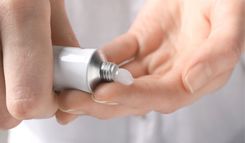
Apply the ointment according to the manufacturer's instructions. It is best to use a clean finger or applicator to ensure even distribution. Make sure the ointment is applied to both the affected area and the anal canal if recommended.
Frequency of application
The frequency of application depends on the severity of the symptoms and the manufacturer's recommendations. Generally, you should apply the ointment two to three times a day. For acute discomfort, more frequent application may be necessary.
Advantages and disadvantages of hemorrhoid ointments
Advantages
- Quick relief: Ointments provide quick relief from pain and itching.
- Easy to use: They are easy to apply and can be used at home without difficulty.
- Non-invasive: Unlike surgical procedures, ointments are a non-invasive treatment method.
- Wide availability: Hemorrhoid ointments are available over the counter at pharmacies.
Disadvantages
- Temporary solution: Ointments often provide only temporary symptom relief.
- Possible side effects: Some ointments may cause skin irritation or allergic reactions.
- Contraindications: Not all ointments are suitable for everyone, especially with certain medical conditions or during pregnancy.
- Dependency: Long-term use may lead to reduced effectiveness.
When should you see a doctor?
Although hemorrhoid ointments are effective for many people, there are situations where you should see a doctor:
- Severe bleeding: If you notice severe bleeding, seek medical help immediately.
- Persistent pain: If the pain persists or worsens despite using ointments.
- Complications: Signs of infection, such as fever or purulent discharge.
- Recurring hemorrhoids: If hemorrhoids repeatedly occur, further examination and treatment may be necessary.
If these symptoms occur, you can always search for a doctor nearby and schedule an appointment through our Medical Laser Institute.
Additional tips for preventing and treating hemorrhoids
In addition to using hemorrhoid ointments, the following measures can help prevent and treat hemorrhoids:
Dietary changes
A fiber-rich diet with plenty of fruits, vegetables, and whole grains can prevent constipation and soften the stool. This reduces pressure on the veins in the rectal area and prevents hemorrhoids.
Adequate fluid intake
Drink plenty of water to facilitate bowel movements and prevent constipation. Make sure to consume at least 2 liters of fluid per day.
Regular exercise
Exercise promotes bowel activity and reduces pressure on the veins in the rectal area. Try to be active for at least 30 minutes a day, whether through walking, jogging, or other forms of physical activity.
Avoid prolonged sitting
Prolonged sitting can increase pressure on the anus and worsen hemorrhoids. Stand up regularly and move around. Ergonomic seating options and standing desks can also help.
Careful anal hygiene
Keep the anal area clean and dry to avoid irritation. Use soft toilet paper or moist wipes to gently clean the area.
Conclusion on hemorrhoid ointments
Hemorrhoid ointments are an effective and easy-to-use method to relieve the symptoms of hemorrhoids. They provide quick relief from pain and itching and can promote healing. However, if symptoms persist or are severe, you should see a doctor. In addition to using ointments, lifestyle changes and preventive measures can help avoid hemorrhoids and improve your quality of life. By combining a proper diet, adequate fluid intake, regular exercise, and good anal hygiene, you can significantly reduce the risk of hemorrhoids and lead a more pain-free life.
Articles about this topic