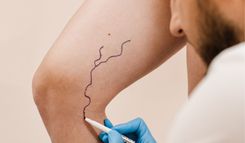
Spider Veins
Overview
- Spider veins are small, superficial veins that become visible through the skin and form a spider web or broom-like pattern.
- They often appear on the legs and are usually blue or red.
- Spider veins are mostly harmless and primarily represent a cosmetic issue, but they can sometimes indicate an underlying venous insufficiency.
- The causes of spider veins are varied and can include genetic factors, pregnancy, hormonal fluctuations, prolonged standing or sitting, as well as being overweight.
Spider veins are more than just a cosmetic nuisance; for many people, they are a sign of underlying vein problems or simply a cosmetic blemish they would like to eliminate.
What are Spider Veins?
Spider veins are fine, visible veins that appear on the surface of the skin, forming a spiderweb-like or tree-like pattern. They are usually blue, purple, or red and commonly occur on the legs, but can also appear on other parts of the body. Although spider veins typically do not cause pain or pose a health risk, many affected individuals seek treatment for aesthetic reasons.
Causes and Risk Factors of Spider Veins
The development of spider veins is influenced by various factors. These include genetic predisposition, age, hormonal changes, pregnancy, overweight, prolonged standing or sitting, and physical inactivity. A family history of vein problems also increases the risk of developing spider veins.
Prevention of Spider Veins
While not all spider veins can be prevented, especially if there is a genetic predisposition, there are measures that can reduce the risk of their development:
- Regular exercise promotes circulation and vein health.
- Weight control reduces pressure on the veins.
- Avoiding long periods of standing or sitting and regularly changing positions help improve blood flow.
- Wearing compression stockings can be supportive for individuals prone to vein problems.
Treatment Methods for Spider Veins
For those who wish to remove spider veins, there are several effective treatment options:
- Sclerotherapy: In this procedure, a special solution is injected into the spider veins, causing them to stick together, collapse, and eventually be absorbed by the body.
- Laser Therapy: Laser light is used to heat and destroy the spider veins without damaging the surrounding skin. This method is particularly effective for very fine spider veins.
- Radiofrequency Ablation: Similar to laser therapy, but uses radio waves to seal the veins.
Conclusion on Spider Veins
Although spider veins are generally harmless, they can be a cosmetic issue for those affected. Fortunately, there are both preventive measures and effective treatment methods that can improve the appearance of spider veins. Individuals with spider veins who desire treatment should consult a specialist in vein disorders to find the best method for their individual situation. By combining preventive measures with professional treatment if necessary, you can minimize the occurrence of spider veins and enjoy healthier, more beautiful legs.